


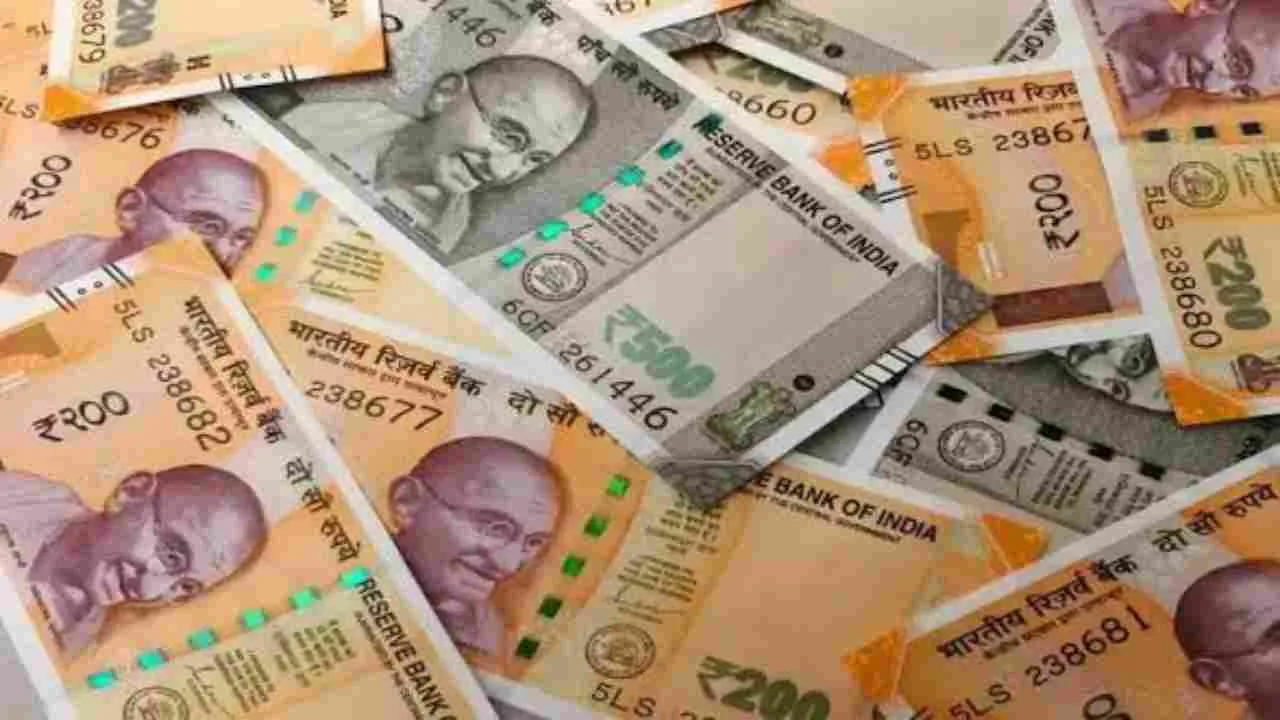
8th Pay Commission: When government employees retire, they receive leave encashment—a cash payment for eligible unused leave. This year, the 8th Pay Commission may make an important announcement on the subject. A proposal would raise the maximum leave encashment limit from 300 days to 450 days. If approved, this could add lakhs of rupees to the lump-sum payment central government employees receive at retirement.
The 8th Pay Commission has received a proposal to increase the leave encashment allowance for central government employees upon retirement. The current maximum is 300 days, and the proposal would let employees encash an additional 150 days, bringing the total to 450. No decision has been made yet, but if the commission approves the change, central government employees would benefit.
What is leave encashment?
Leave encashment is a benefit that pays government employees for eligible earned leave (EL). Employees may accumulate up to 300 days of EL during their service and receive a cash amount based on their basic salary in exchange. Under the current limit, the retirement payment can equal up to 300 days of basic salary. The 8th Pay Commission has been asked to raise the limit to 450 days.
What is the union’s demand?
The All India Trade Union Congress, which represents employees, asked Pay Commission members at a meeting to increase the leave encashment limit to 450 days. Employees receive this benefit when they retire; currently, payment covers up to 300 days of leave. Adding 150 days to the limit would increase the retirement payout.
How is leave encashment calculated?
Leave encashment is calculated based on basic pay and DA. This amount is calculated by multiplying the employee’s basic pay and DA at the time of retirement by the number of days of leave. Currently, the equivalent of 10 months’ leave is given upon retirement, but employee organisations have demanded an increase to 15 months. This amount is also tax-free. Therefore, leave encashment provides a means for employees to receive a substantial lump sum upon retirement.